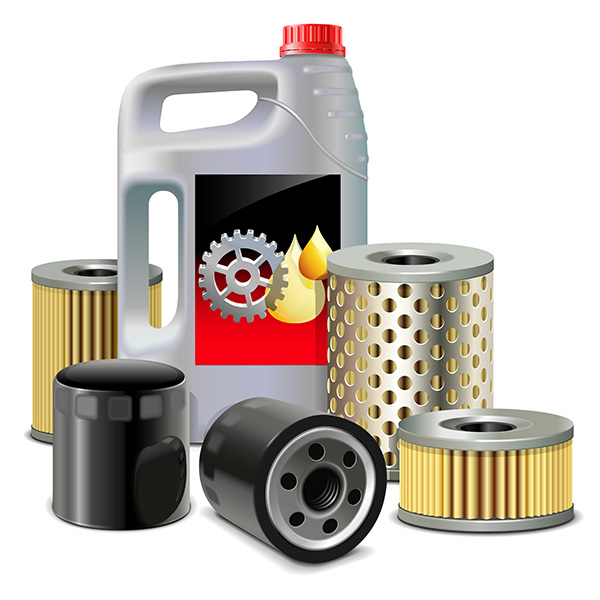
Most drivers remember the engine oil filter because it gets changed at every oil service.
The other filters are easier to forget. Some protect the engine, one cleans the air coming through the vents, and others keep dirt out of fuel or transmission systems. They don't all need replacement on the same schedule, and certain vehicles don't even have a separately serviceable version of every filter. Knowing which ones your car uses keeps maintenance sensible.
1. Engine Oil Filter Replacement at Every Oil Change
The engine oil filter catches particles and debris circulating in the lubrication system. Clean oil is essential, but it doesn't stay completely free of contamination once the engine is running. As oil moves through the engine, fine wear material, carbon, and other particles collect in the filter.
Most passenger vehicles call for replacing the oil filter during every scheduled oil change.
Keeping the old filter while adding fresh oil leaves accumulated contamination and used filter media in service. We use the filter specified for the engine, with the correct sealing gasket and installation procedure. A poorly fitted filter can cause oil leaks or pressure problems that cost far more than the filter itself.
2. Engine Air Filter Replacement for Clean Intake Air
The engine air filter removes dust, grit, and airborne debris before air reaches the engine's intake system. It usually sits in a plastic airbox under the hood. As dirt collects, airflow becomes more restricted, although a lightly dusty filter isn't automatically worn out.
Replacement intervals vary by vehicle and driving conditions. Dusty roads and construction areas load the filter sooner than clean highway driving. The filter schedule, media condition, airbox debris, and sealing surfaces guide the replacement decision. The engine needs an effective seal around the filter just as much as it needs the correct filtering material.
3. Cabin Air Filter Replacement for Heater and A/C Airflow
The cabin filter cleans air moving through the ventilation system before much of it enters the passenger compartment.
It catches dust, pollen, leaves, and other particles. Some versions include activated carbon to reduce certain outside odors. The filter usually sits behind the glove box or near the windshield intake, depending on the model.
A clogged cabin filter restricts airflow and makes the heater and air conditioning feel weaker at the vents. It can also contribute to slower windshield clearing. The replacement interval depends on the manufacturer's schedule and local conditions. When the cabin filter gets wet or fills with leaves repeatedly, the intake area needs inspection for drainage problems and accumulated debris.
4. Fuel Filter Service for the Fuel Delivery System
The fuel filter protects injectors and other fuel system components from dirt that might reach the fuel supply. Some vehicles have a serviceable inline fuel filter, while many newer gasoline cars use a filter or strainer inside the fuel tank as part of the pump module. The latter often has no regular replacement interval.
Diesel vehicles frequently have specific fuel filter service requirements, sometimes including water separation and proper priming procedures.
Fuel filter service follows the schedule for the exact vehicle. Not every car has the same replaceable filter arrangement. Restricted fuel flow sometimes causes hesitation or hard starting, but those symptoms also come from pump, injector, and electrical problems. Testing should confirm the cause before fuel system parts are replaced.
5. Automatic Transmission Filters and Strainers
Many automatic transmissions include a filter or strainer intended to keep debris out of sensitive hydraulic passages and controls.
Some filters sit in the transmission pan and are replaced during scheduled service. Others are built into the pan or located inside the transmission where routine replacement isn't practical. Certain units use different designs altogether.
Transmission fluid and filter service depend on the transmission type and manufacturer instructions. The wrong fluid or an incorrect level-setting procedure can cause problems even with a new filter. We confirm the exact transmission before recommending service. A new filter won't fix damaged clutches or a mechanical shifting fault. Test the transmission problem before treating fluid service as the repair.
What to Check Before Replacing Several Vehicle Filters
A filter package sounds convenient, but replacing everything at once doesn't always match the car's actual needs. Some filters require regular scheduled replacement. Others last much longer or aren't independently serviced. Start with the service records and inspect the filters that are accessible.
Ask about these five filters during maintenance:
Engine oil filter
Engine intake air filter
Cabin ventilation filter
Fuel system filter or strainer
Automatic transmission filter, if equipped
A filter that's due for service should be replaced correctly. A filter the vehicle doesn't have or that remains in good condition shouldn't appear on the invoice simply because it's part of a package.
How Correct Oil, Air, and Fuel Filters Prevent Engine Problems
Filters that look similar aren't always interchangeable. The wrong oil filter gasket leaks, an undersized engine filter allows unfiltered air into the intake, and an incorrectly fitted cabin filter leaves gaps for dust to pass around. Fuel and transmission filters have equally specific fit and flow requirements.
The correct part number, sealing surface, and installation procedure prevent gaps and leaks. A nearly fitting component isn't good enough. Routine maintenance is where details like these prevent expensive follow-up problems.
When a filter change is recommended, you should know which system it protects and what evidence shows that the service is due.
Get Car Filter Replacement in Belmont, CA, With 5 Star Auto Service
5 Star Auto Service in Belmont, CA, reviews engine oil, air, cabin, fuel, and transmission filter requirements according to the vehicle's maintenance schedule and equipment. We'll show you which filters need replacement and which are still in good condition.
Bring your recent service records so the next filter replacement is based on what's already been done, not guesswork.