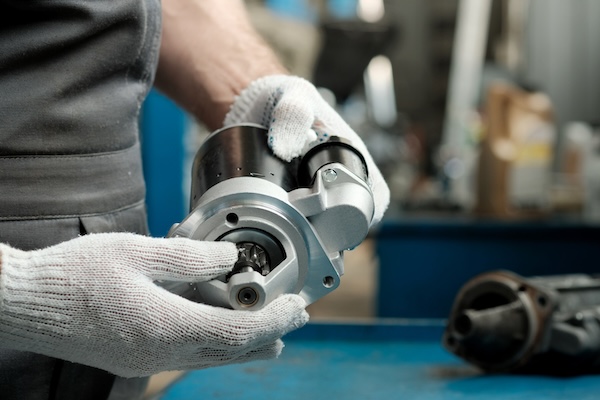
Few things are more frustrating than turning the key or pressing the start button and hearing nothing. When your vehicle refuses to start, the starter motor is often the culprit. While it may seem like a small component, the starter motor plays a critical role in starting your engine. Understanding how it works, the warning signs of trouble, and when to seek repairs can help you avoid being stranded at the worst possible time.
What Is a Starter Motor and What Does It Do
The starter motor is an electric motor that cranks your engine when you start your vehicle. When you turn the ignition key or push the start button, electrical power from the battery flows to the starter motor. The starter engages with the engine’s flywheel and spins it fast enough for the combustion process to begin. Once the engine starts running on its own, the starter disengages.
Because the starter motor handles high electrical loads and mechanical stress, it naturally wears over time. Heat from the engine bay, frequent short trips, and age can all contribute to starter failure.
Common Signs of Starter Motor Problems
Starter issues often develop gradually, giving drivers warning signs before complete failure. Paying attention to these symptoms can help you schedule repairs before your car leaves you stuck in a parking lot or driveway.
Some of the most common signs include:
- A clicking noise when turning the key or pressing the start button
- Slow or labored engine cranking
- Intermittent starting issues, where the car starts sometimes but not others
- Complete silence when attempting to start the vehicle
In some cases, you may notice lights and accessories working normally while the engine refuses to turn over. This can be confusing, but it often indicates a failing starter motor rather than a dead battery.
Starter Motor vs. Battery Problems
Starter motor issues are frequently mistaken for battery problems. While both can prevent your vehicle from starting, there are some differences. A weak or dead battery typically causes dim lights, weak electrical response, or rapid clicking sounds. A failing starter, on the other hand, may occur even when the battery is fully charged.
Professional diagnostics are important for pinpointing the root cause. Replacing a battery won’t fix a failing starter, and ignoring starter issues can lead to unexpected breakdowns.
What Causes Starter Motor Failure
Starter motors are built to last, but several factors can shorten their lifespan. Frequent short trips don’t allow enough time for the battery to fully recharge, putting extra strain on the starter. Heat exposure in the engine bay can also damage internal components over time.
Oil leaks are another common issue. If engine oil leaks onto the starter motor, it can contaminate electrical parts and accelerate failure. Corrosion, worn internal brushes, and damaged wiring connections can also prevent the starter from functioning properly.
Repair vs. Replacement
In many cases, a failing starter motor will need to be replaced rather than repaired. While some internal components can be serviced, most modern starters are replaced as complete units to ensure reliability. The decision depends on the severity of the damage and the design of the starter.
Starter replacement involves removing the old unit, inspecting electrical connections, and installing a new or remanufactured starter that meets manufacturer specifications. Proper installation is critical, as incorrect alignment or wiring can lead to further starting issues.
Why Prompt Starter Repairs Matter
Ignoring starter motor problems can leave you stranded without warning. Intermittent starting issues often worsen quickly, turning a minor inconvenience into a complete no-start situation. A failing starter can also put extra strain on your battery and electrical system, leading to additional repairs.
Taking care of starter issues early helps ensure reliable starts, protects other components, and gives you peace of mind every time you turn the key.
Your vehicle’s starter motor may only work for a few seconds at a time, but its role is essential. If you’re experiencing slow starts, clicking noises, or inconsistent engine cranking, it’s time to have your starting system checked by a professional.
Schedule Your Starter Motor Inspection in Belmont, CA
If your car is struggling to start or exhibiting starter motor issues, contact our auto repair shop today. Our experienced technicians at 5 Star Auto Service Inc. can diagnose the issue and get your vehicle running reliably again. Don’t wait for a no-start situation—schedule your starter service now and drive with confidence.