A thump over bumps is one of those noises that makes you tense up every time the road gets rough. It can start out as an occasional knock on a pothole, then turn into a repeat thud on speed bumps, driveway entrances, or uneven pavement. Because the car still drives fine most of the time, it’s easy to put it off.
The truth is that a thump means something is moving more than it should.
What A Thump Usually Means Versus A Rattle
A thump is typically a heavier sound than a rattle. It feels like something is shifting, tapping, or bottoming out, and you may feel it through the floor or seat. A rattle is more of a light metallic chatter. That difference helps narrow the suspects.
A thump that happens only on one side points toward a single worn component. A thump that seems centered can still be on one side, but it can also be an exhaust component contacting the body or a mount allowing extra movement.
Suspension Bushings That Let Things Shift
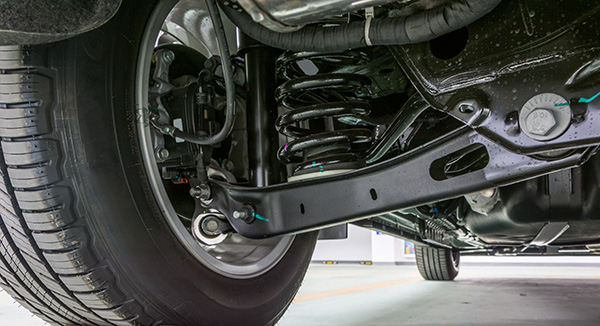
Suspension bushings are meant to absorb small movement while keeping the suspension geometry controlled. As bushings age, they can crack, soften, or separate. When that happens, a control arm can shift slightly when the wheel hits a bump, and you hear it as a thump.
Bushing wear is common as mileage builds, and it tends to be worse on rough roads. You might also notice the steering feels less settled, or the car feels like it reacts more sharply to pavement seams. Regular maintenance inspections help here because bushings often look worn before they become loud.
Sway Bar Links And Mounts
Sway bar links are frequent thump makers. When a link gets loose or the ball socket wears, it can knock over bumps and uneven pavement. This is especially common on speed bumps and driveway entrances, where the suspension is working side to side unevenly.
Sway bar bushings can also cause noise if they are worn or dry, though that often sounds more like a creak or dull knock. If the thump seems to come from the front corners and happens on small bumps, sway bar hardware is high on the list.
Struts, Shocks, And Top Mount Issues
Struts and shocks control bounce. When they wear out, the car can feel less controlled and can thump when the suspension compresses. The sound can come from internal wear, but it can also come from the mounting points.
Top mounts are a common culprit. A worn strut mount can thump when the suspension loads and unloads. You might notice it more when turning into a driveway or when braking over a bump. If the car also feels bouncy or takes longer to settle after a bump, the damping side deserves attention.
Ball Joints And Tie Rod Play
Ball joints and tie rods connect suspension and steering components. When they develop play, the wheel can move slightly in ways it should not, and bumps can create a thud. Sometimes you also feel it as a small clunk in the steering wheel.
This is one category you do not want to ignore for too long. If a joint has significant play, handling and tire wear can be affected. A good inspection checks for looseness under load, not just a quick visual.
Exhaust Or Underbody Contact
Not every thump is suspension. A loose heat shield, sagging exhaust hanger, or underbody panel can hit the body when the vehicle moves over bumps. That can create a dull thud that sounds like it’s coming from underneath the car, especially when the suspension compresses.
If the thump changes when you accelerate or let off the gas, mounts and exhaust movement become more likely. If it happens only on bumps and sounds like it’s directly under the cabin, a loose underbody component is worth checking.
Quick Clues You Can Notice Before A Visit
You can help narrow it down by noticing patterns. The goal is not to diagnose it yourself. It’s to capture what repeats, since that helps a technician find it faster.
Here are a few useful clues to pay attention to:
- Is it louder in the front or the rear?
- Does it happen on small bumps or only on big ones?
- Does it happen more when turning into driveways?
- Does it feel like one side, or the whole car?
If the thump is paired with a pull, wandering steering, or uneven tire wear, that increases the odds you have a worn steering or suspension component. If it’s paired with scraping, it may be underbody contact.
How We Find The Source Quickly
A good inspection starts with a road test to reproduce the sound. Then we check the suspension and steering components for play, including sway bar links, bushings, mounts, and ball joints. We also inspect the exhaust hangers and underbody shields for contact points, because those are easy to miss and easy to fix when caught early.
Once the loose or worn part is found, the repair plan becomes straightforward. Fixing it early usually prevents uneven tire wear and protects other components from taking extra stress.
Get Suspension Noise Repair In Belmont, CA, With 5 Star Auto Service
5 Star Auto Service in Belmont, CA, can pinpoint what’s causing the thump over bumps and recommend the right repair based on what we find.
Book a visit and get back to quiet, stable driving.